About Private Records
PRONI holds a diverse range of private records from sources including individuals and families, businesses, faith groups, landed estates, political parties, charities, community groups, clubs and societies. We call these records ‘private records’.
Of the three million records in PRONI’s care, approximately one third were deposited by private depositors. Most, but by no means all, of these records relate to the north of Ireland and reflect the experiences and culture of the people and communities that call this place home. Private records also reveal wider links and even global connections. PRONI’s holdings of private records complement the official record and help provide multiple perspectives on the past. These records form part of our wider community memory.
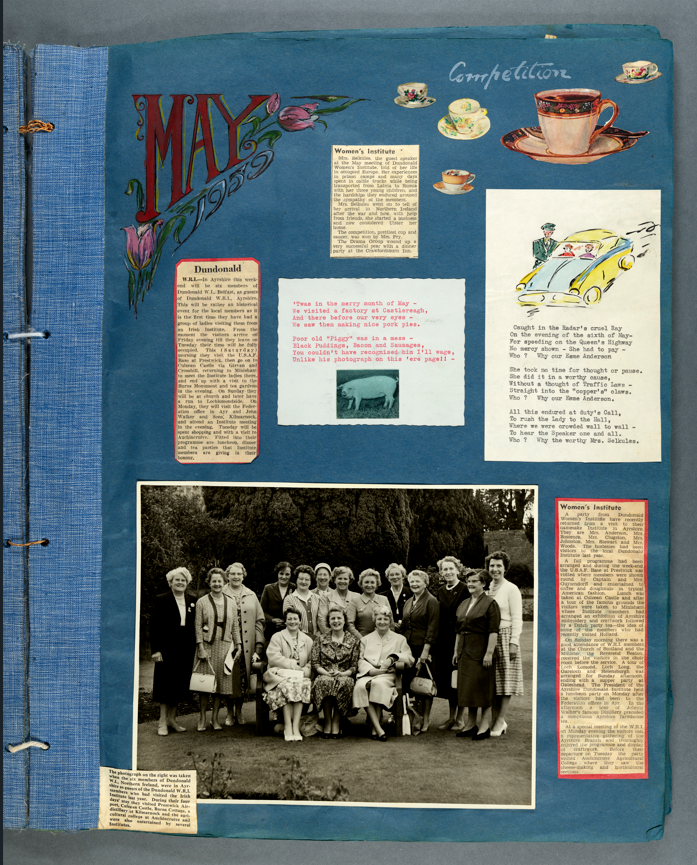
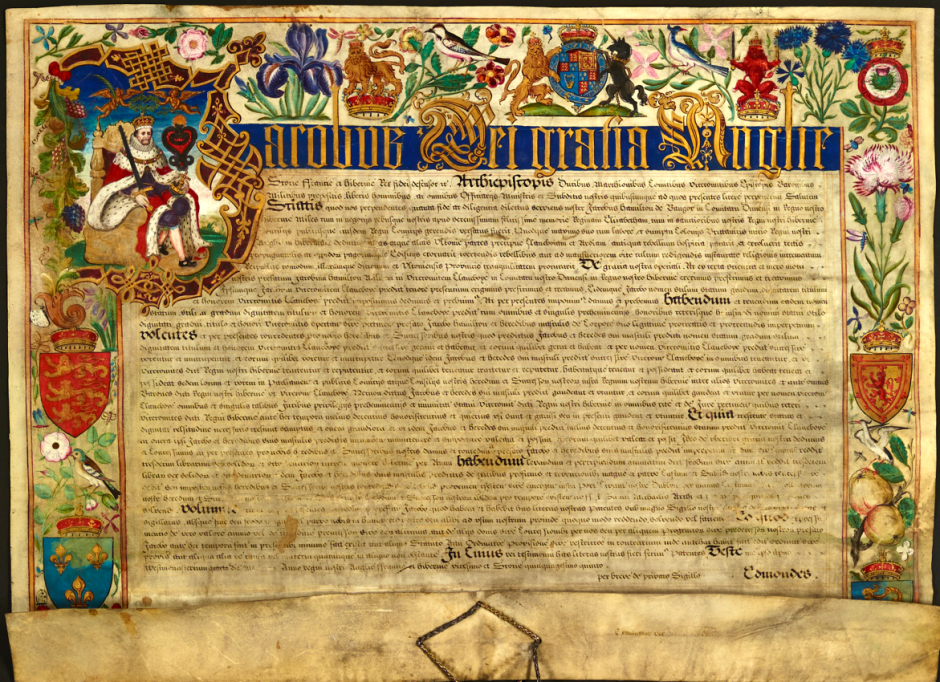
Private records come in a range of formats including paper, parchment, volumes, photographic prints, slides and glass plate negatives. More and more born digital or digitised private records are being deposited with us.
Some examples of private records include:
- Family papers such as letters, photographs and diaries.
- Business records including wage books.
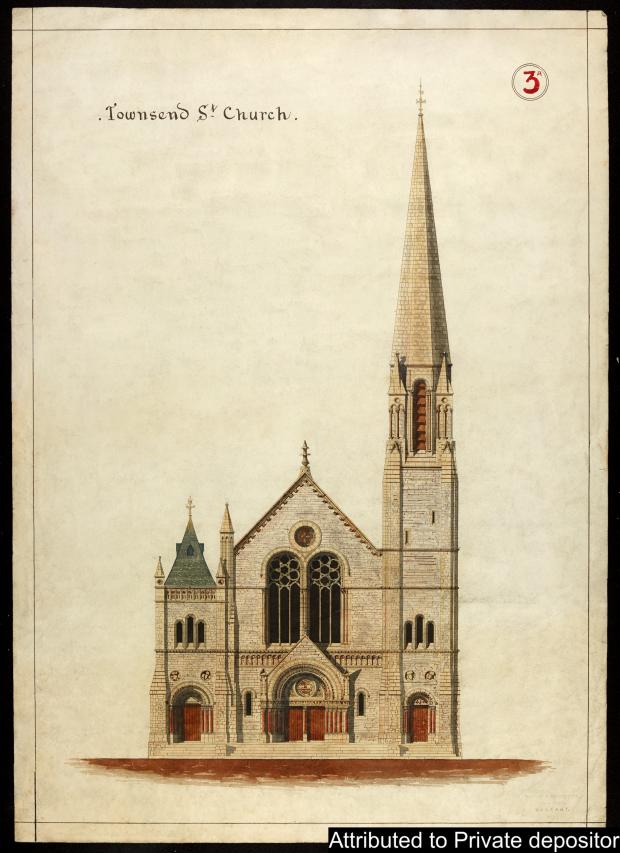
- Records created by churches and other places of worship reflecting all faiths
- Emigration records including letters and travel journals.
- Pedigrees and genealogical records.
- Landed estate records including maps, leases and rentals.
- Political papers including policy papers, correspondence and election ephemera.
- Wills and testamentary papers.
- Records of clubs and societies including minutes, lists of members, photographs and scrapbooks.
Introductions to some of the most significant private collections held in PRONI have been compiled and are available through the PRONI eCatalogue. These introductions generally summarise the contents of the archive and give a wealth of information about the family or organisation who created the archive.
Appraisal
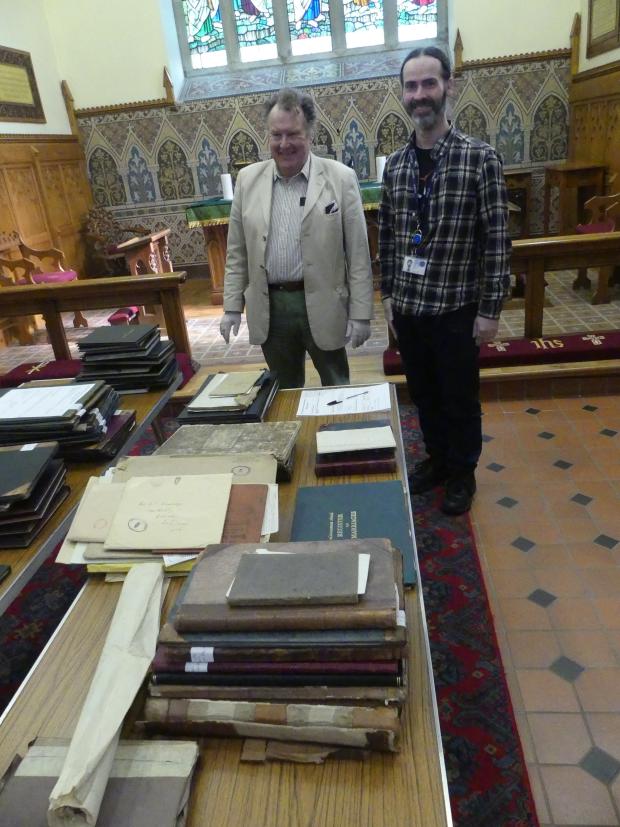
The Private Records Team is responsible for ‘appraising’ potential deposits of private records. Appraisal involves considering what records are of historical, cultural and social importance and selecting these records for permanent preservation at PRONI. We explain to potential depositors the options they have if they decide to deposit their records with PRONI.
Each potential deposited is considered and appraised on a case-by-case basis. As a general rule, there are some records that we do not accept for permanent preservation:
- Printed publications – we do not generally accept printed publications unless they are an intrinsic part of an archive (for example published books within an author’s archive) or if they have a historic importance but are unlikely to be available elsewhere (as with the case of some printed ephemera).
- Artefacts – we do not generally acquire artefacts. Potential deposits of artefactual material should be referred to National Museums Northern Ireland or an appropriate local or regional museum.
- Duplicate material – we do not generally generally accept duplicate material unless a copy of a record has been modified in some way (for example with handwritten notes or an autograph) or if record is of historical significance and it is known that there are only a small number of copies available.
- Some digital material –please refer to the list of file formats that we do accept.
Accessioning
Accessioning is the process of transferring records from a private depositor to PRONI and defining the terms of that transfer – the ‘terms of deposit’.
Each year PRONI contributes to The National Archives annual ‘Accessions to Repositories’ survey. This survey collects information from archival institutions and record repositories across the United Kingdom about new manuscript accessions received in the previous twelve months. Our 2025 survey return highlights the diverse range of private records that we accessioned in a single year.
Contact
If you are considering depositing records with PRONI, we would love to hear from you. Please email us at access@communities-ni.gov.uk and a member of the Private Records team will contact you to talk to you about your collection and advise you of your options.